Your LinkedIn photo does a job interview before you do. Recruiters, clients, and colleagues form a first impression from a thumbnail, often in under a second, and the photo either supports the professional story in your headline or quietly argues with it. The encouraging news is that LinkedIn photos rarely fail because of the person. They fail because of five repeatable mistakes, each with a straightforward fix.
Charlotte professionals tend to commit the same five, because they come from good intentions: using the photo where they felt happiest, usually a wedding or a vacation, rather than the photo built for the purpose. Here is the list, in the order a photographer notices them.
The five mistakes, side by side
| Mistake | Why it hurts | The fix |
|---|---|---|
| The ten-year-old photo | Breaks trust at the first meeting when you look different | Update every two to three years, or after a major look change |
| The group crop | Low resolution, someone else's shoulder, awkward framing | A dedicated headshot, shot at the right crop from the start |
| Vacation light and backgrounds | Sunglasses, harsh sun, and busy scenes read as casual | Controlled studio light and a clean background |
| Too small or too far away | Your face fills too little of the frame to recognize | Face occupying most of the frame, sharp at thumbnail size |
| Over-retouched or filtered | Looks artificial and raises doubts about authenticity | Light, professional retouching that keeps skin texture |
The group crop deserves emphasis because it is the most common. A cropped wedding photo carries three problems at once: the resolution drops when you zoom into one face, the light was planned for a group and not for you, and there is often a stray shoulder or hand at the edge of the frame. Even when the crop looks acceptable on your phone, it softens at desktop size, exactly where hiring managers view it.
What current and recognizable actually means
The old-photo problem is not vanity, it is trust. A headshot should be recent enough that a first meeting starts with recognition, not recalibration. Two to three years is a sensible update rhythm for most professionals, shortened by real changes: significant weight change, a new glasses habit, a very different hairstyle, or a move into a more senior role where the photo should carry more formality. If a colleague would not pick you out of a lineup from your photo, the photo has expired.

Recognition also argues against heavy filtering. Retouching has a proper job: remove the temporary, a blemish, tired shadows under the eyes after a bad night, a stray hair. Its job is not to rebuild the face. The standard photographers use is simple: someone who knows you should see the photo and see you on a rested day, nothing more exotic than that.
Technical basics that separate profiles
LinkedIn displays profile photos small, in circles, in search results, comments, and messages. A strong headshot is composed for that reality: face large in the frame, eyes sharp, background plain, and enough contrast that the image survives being shrunk. Squint at your current photo from arm's length. If you cannot read your own expression, neither can a recruiter scrolling a search page.
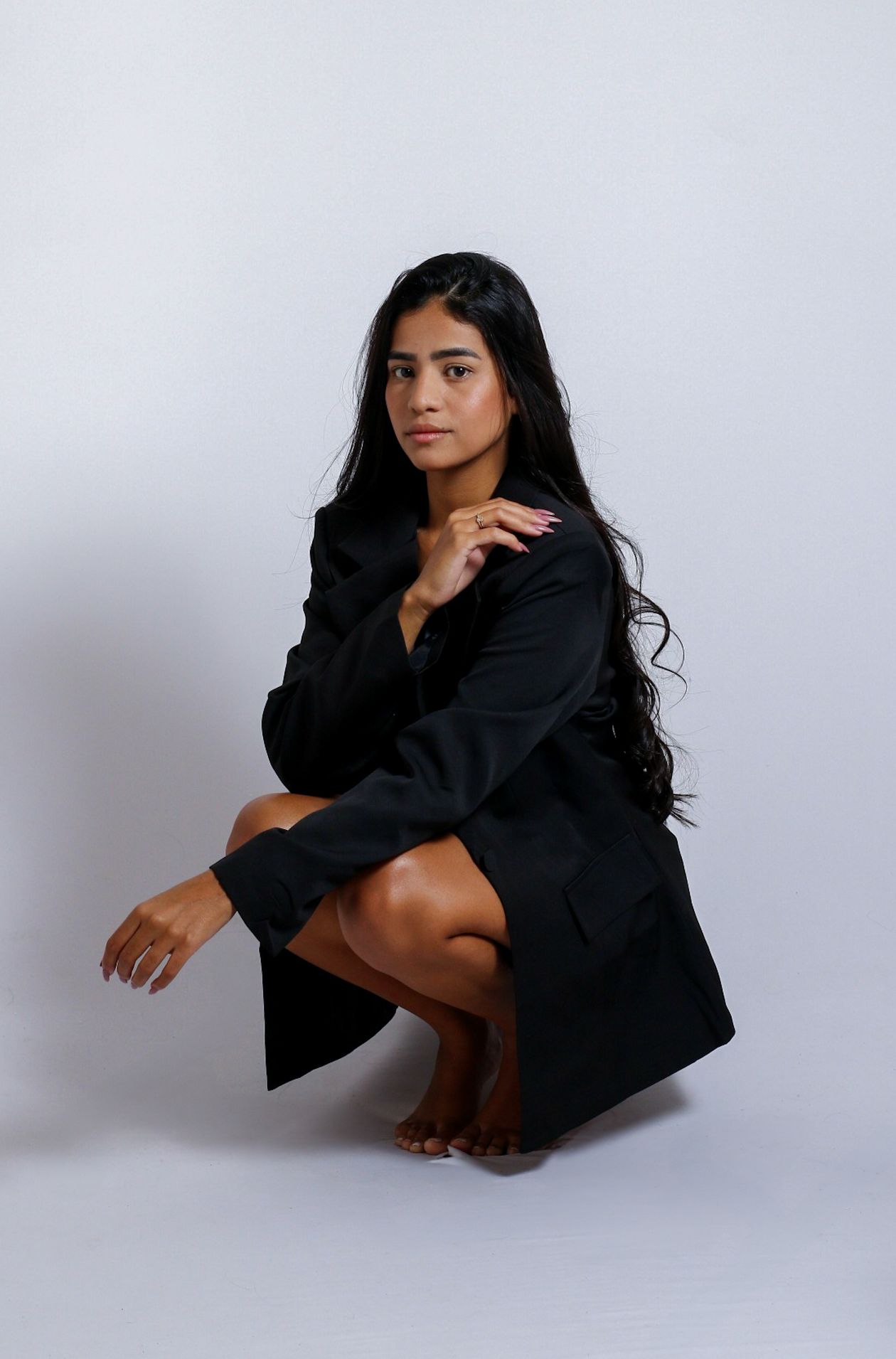
A studio session solves the whole list in under an hour, which is why it remains the standard advice. Controlled light removes the vacation problem, the crop is shot correctly from the first frame, and professional retouching keeps the result authentic. Studios like Bazemore Studios prepare final selections for the platforms where they will be used, which means the file you upload is sized for the job rather than whatever your phone exported. The profile that results will not get you the job by itself. It simply stops arguing against the experience listed under it.
There is a sixth, quieter mistake worth naming: the photo that is technically fine but wrong for the role. A senior executive photographed in a hoodie against a party background, or a client-facing advisor using a cropped family photo, sends a message that conflicts with the headline beside it. Match the photo to the work you want next, not only the work you have now. When the image, the headline, and the experience all tell the same story, the profile reads as one confident professional instead of three unrelated clues.
Common questions
Is a selfie ever acceptable on LinkedIn?
A careful selfie beats a group crop, but it rarely matches studio light, angle, and resolution. For senior roles and client-facing work, a professional photo is worth it.
How often should I update my headshot?
Every two to three years for most people, and sooner after a major change in appearance or a move into a more senior role.
Should my LinkedIn photo match my company website photo?
Yes, ideally the same image or the same session. Consistency across profiles makes you easier to recognize and remember.
Photos in this guide are representative stock images.
← All guides from Bazemore Studios← Back to Bazemore Studios